SOLD! 22 Algoma ST in Toronto
Posted in
Mimico, Toronto W06 Real Estate

I get it—buying a home isn’t just a big milestone; it’s one of your most significant financial commitments. If you’re a busy professional with a growing family looking to upsize, setting a smart home-buying budget might feel overwhelming. But trust me, with a bit of planning and some honest number-crunching, you can make this process much easier—and way less stressful.
Let’s walk through some simple steps to help you set a budget that suits your financial reality and homeownership goals.
Before you start dreaming about that perfect family home with a big backyard or extra room for your home office, let’s examine your finances closely. This isn’t about how much you earn on paper but how much you keep after paying for life’s essentials.
First, take stock of your income. What’s your take-home pay after taxes? Now, write down every monthly expense, from groceries to subscriptions (yes, even Netflix). Are there any areas where you could cut back? Every dollar saved can help you cover your future mortgage payments.
Now, look at your debts—student loans, car payments, or credit card balances. Lenders will check your debt-to-income ratio when deciding how much they’ll lend you, so if you can, start paying off some of that debt now. When you’re ready to apply for a mortgage, it'll make a big difference.
Do you already have savings set aside for a down payment? And how about an emergency fund? Having a cushion for those inevitable “life happens” moments is important. Remember, buying a home comes with more than just the purchase price—you’ll need to budget for closing fees, moving expenses, and unexpected repairs, too.
Now that you have a clear picture of your finances, it’s time to create a realistic plan for buying your home in Toronto.
We all know that Toronto’s real estate market is competitive and can be pricey. Take some time to research average home prices in the neighbourhoods you’re interested in. Prices can vary widely, and knowing what’s realistic will help you establish a clear spending limit.
In Canada, the minimum down payment for homes under $500,000 is 5%, but putting down more (say, 20%) can save you from paying extra for mortgage insurance. If upsizing is your goal, plan for that down payment now and adjust your budget accordingly.
Owning a home is about more than just the mortgage. Don’t forget to factor in property taxes, homeowners insurance, maintenance costs, and utilities. These all add up, so it’s important to include them in your budget.
Now that you know your financial situation and have a clearer understanding of the market, it’s time to determine what you can comfortably afford.
Using an online mortgage calculator can help you estimate what your monthly payment will look like. Be sure to include property taxes and insurance to get a complete picture. You want a mortgage that fits within your budget without causing financial strain.
Upsizing often means increased costs, and you might need lifestyle adjustments. Maybe dining out less or cutting back on vacations will free up extra money for your mortgage. It’s all about balance.
There are different types of mortgages, such as fixed-rate or variable-rate mortgages. Take the time to understand each option and pick the one that aligns with your financial goals and comfort level.
When buying a bigger home, it’s essential to think long-term. Will your income increase over time, or do you plan to have more children? These factors can impact your budget, so make sure it’s sustainable for the future.
As your family grows, so will your expenses. Whether it’s school fees, extracurricular activities, or a bigger family car, these costs must be factored into your budget.
Life happens, and sometimes expenses pop up when you least expect them. Whether it’s a sudden roof repair or a job change, having a buffer in your budget will help you handle these surprises without stress.
If the numbers feel overwhelming or you’re unsure about your calculations, don’t hesitate to ask for help.
Getting pre-approved for a mortgage gives you a clear picture of what you can afford and strengthens your position as a buyer. It’s a significant step to take before you start house hunting.
A knowledgeable real estate agent who understands the Toronto market can be a game-changer. They can guide you to homes that fit your budget and lifestyle needs.
Setting a smart home-buying budget is all about being honest with yourself and planning for the future. Don’t forget to leave room for the unexpected, and never stretch your budget so thin that it takes the joy out of owning a home.
Buying a home in Toronto doesn’t have to be a stressful experience. With a solid budget, you’re well on your way to finding the right space for your family to grow into comfortably and happily.
I hope this guide has helped you feel more confident about setting your home-buying budget. If you have any questions or need help, feel free to reach out—I’m here to help you through the process. Happy house hunting!
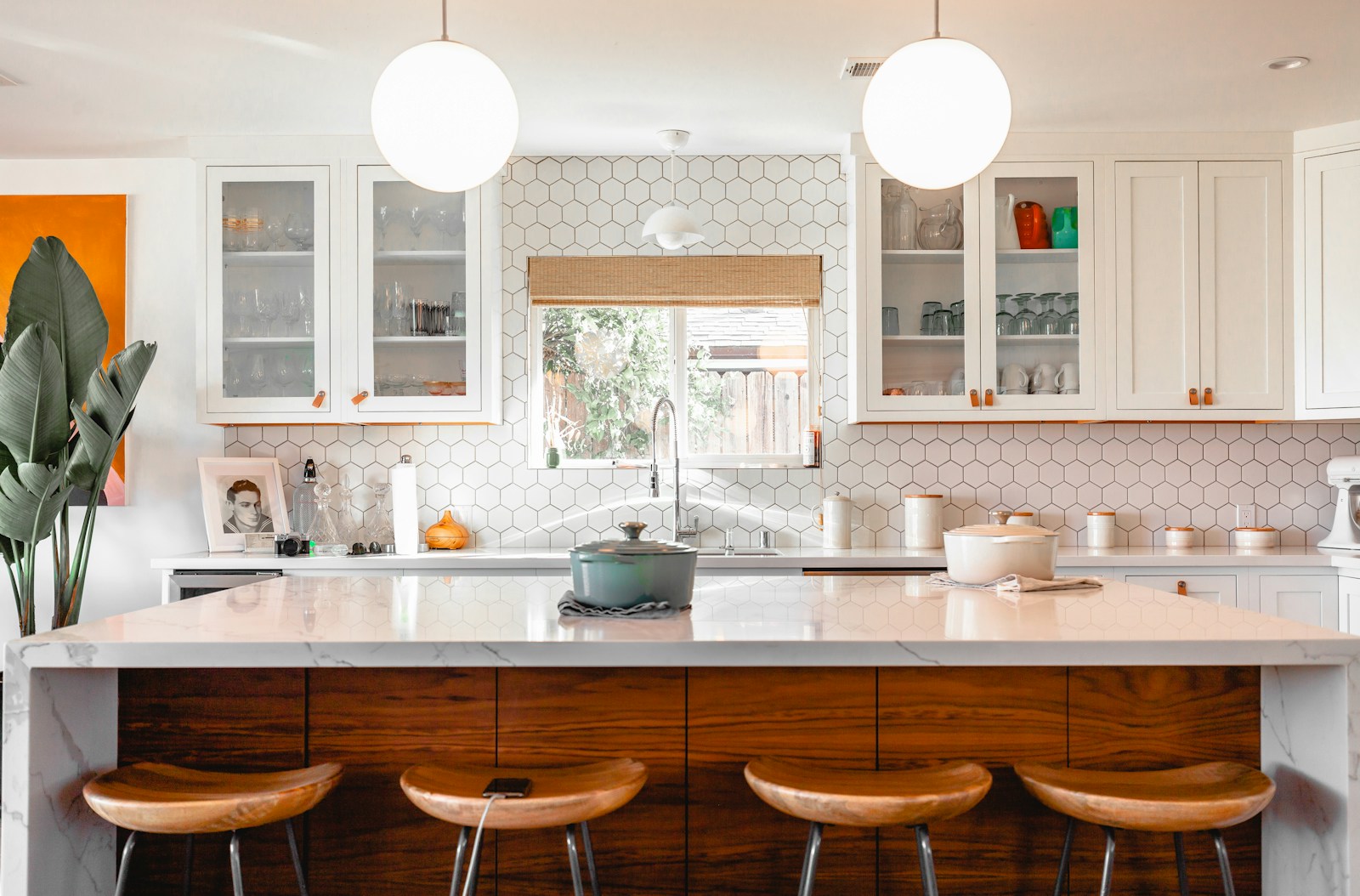
Let’s be real—when you hear the word “affordable” in the context of Toronto real estate, it can feel like a bit of a joke, right? But I promise, it doesn’t have to be. Even though prices are high and competition is fierce, there are smart ways to navigate this market without completely emptying your savings. You can find your dream home in Toronto without maxing out your budget. It just takes some creativity, a little patience, and the proper guidance.
So, let me share some tried-and-true strategies that have helped many busy professionals like yourself upsize in Toronto without all the usual stress. Ready? Let’s dive in!
These are the methods I’ve used with my clients to help them find a home that fits their needs and budget in Toronto. They’re not always the most obvious routes, but they work!
Most people focus on Toronto’s established neighbourhoods when looking for a home, but here’s the thing: many emerging areas offer fantastic value. You don’t have to buy in the heart of the city to get a great home. Some of the best opportunities are in up-and-coming areas that haven’t hit the mainstream yet.
How to Spot These Neighbourhoods:
Look for new developments like shops, schools, and transit lines—these are signs that an area is on the rise.
Talk to locals or real estate experts who know the area. They often have the inside scoop on which neighbourhoods are about to take off.
Check out city plans or development maps to see which areas are getting infrastructure upgrades.
Everyone’s heard that spring and summer are the best times to buy a home, but if you’re looking for a deal, the fall and winter are your secret weapons. When fewer buyers are in the market, sellers may be more open to negotiating. I’ve seen clients land some fantastic homes during these quieter months.
How to Use Timing to Your Advantage:
Keep an eye on market trends to spot the dips in activity.
Consider moving around major holidays—less competition means more room to negotiate.
If you’re not paying attention to market data, I always say you’re flying blind. The numbers tell the real story of what’s happening in the Toronto housing market. By looking at the right data, you can spot the most affordable areas and the best times to buy.
What to Look For:
Average sale prices in the neighbourhoods you’re interested in. This gives you a sense of whether prices are rising or stable.
Days on the market show how fast homes are selling. Longer times on the market can mean more negotiating power.
Sales-to-list price ratios—this tells you how much homes are selling for compared to their listing price. If the ratio is lower, buyers are getting better deals.
Getting the right mortgage can make or break your budget. And believe me, not all mortgages are the same. I always recommend working with a knowledgeable mortgage broker who can help you explore different options, from lower interest rates to flexible term lengths. This can stretch your budget in ways you wouldn’t expect.
Financing Tips:
Get pre-approved before you start looking. This will help you understand your budget and show sellers that you’re serious.
Look into government programs for first-time buyers or those upsizing—they can make a big difference in your affordability.
Negotiation is one of the most powerful tools in your home-buying toolkit. And it’s not just about the price—there’s so much more to negotiate, from closing dates to contingencies. The more you know about the market, the better you can negotiate a deal that works in your favour.
Negotiation Tips:
Be prepared to move quickly when you find a good deal. Showing that you’re serious can give you the upper hand.
Know when to walk away if the seller won’t meet you halfway. Sticking to your budget is key.
A well-connected real estate agent is worth their weight in gold. The right agent knows about listings before they hit the market and can give you a heads-up when there’s a great opportunity. I’ve helped clients score homes they never would have known about if it weren’t for inside knowledge.
How to Choose the Right Agent:
Look for someone with experience helping clients upsize in Toronto’s competitive market.
Choose an agent who will fight for your interests and negotiate on your behalf.
A home inspection is one of those non-negotiables. You need to know what you’re buying before you commit. A thorough inspection can save you from future headaches—and expensive repairs.
What to Do:
Hire a reputable inspector with experience in Toronto homes.
Attend the inspection yourself, and ask plenty of questions.
If you’re open to a bit of DIY, a fixer-upper can be a great way to get a more affordable home in a great neighbourhood. With some vision and hard work, you can turn it into your dream home for less than you’d pay for a fully updated property.
How to Tackle a Fixer-Upper:
Assess the renovation costs beforehand and make sure it fits within your budget.
Know your limits—if the project is too big, it might not be worth the stress.
There are some creative ways to buy a home that many people don’t consider. Options like rent-to-own or co-ownership can help you get into the market without the upfront costs of a traditional mortgage.
What to Consider:
Research these alternative methods, and talk to a real estate lawyer before signing anything.
The Toronto housing market changes constantly, so staying flexible and continuing to educate yourself is crucial. The more you know, the better equipped you’ll be to navigate the ups and downs.
Learning Tips:
Follow real estate blogs and news to stay updated.
Join online communities of homebuyers in Toronto for tips and advice.
The Toronto housing market might be challenging, but it’s not impossible. With the right strategies, support, and creativity, you can find a home that fits your needs and budget. It’s all about being smart, staying patient, and thinking outside the box. You’re not just buying a house—you’re finding the perfect place to build memories with your family.
If you’re ready to take the next step and hack the Toronto real estate market, I’m here to help. Let’s work together to make your dream home a reality!
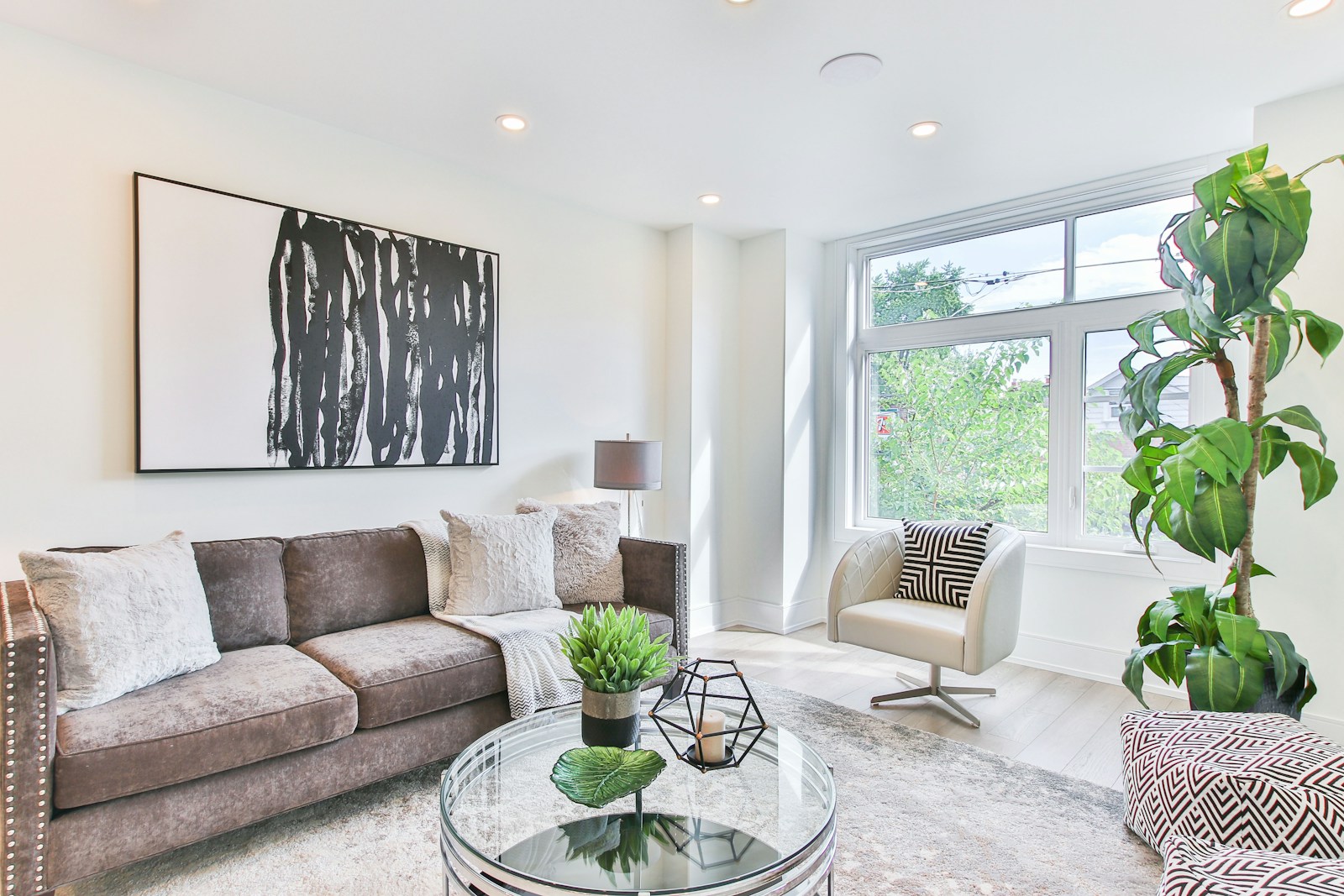
As a realtor in Toronto, I often tell my clients that staging isn’t just about making a home look good—it’s about creating a space where buyers can envision their future. Imagine walking into a home that feels instantly warm and welcoming. That’s the magic of home staging. It's a strategic tool highlighting your home’s best features and helps potential buyers make an emotional connection. Whether you're selling your current home or upsizing for your growing family, let’s dive into how home staging can genuinely transform your property, prompt higher offers, and ensure a successful, stress-free sale.
One thing I’ve found is that home staging speaks to the heart. When buyers step into a staged home, they aren’t just looking at the space but imagining a lifestyle. Thoughtful details like a beautifully set dining table, cozy furniture, and well-lit rooms help them picture their lives unfolding in your home.
Creating a Lasting First Impression
We all know how important first impressions are. For your home, it’s no different. When buyers walk through the door, a staged home with a welcoming ambiance makes an instant positive impression.
Evoking Aspirational Living
Staging also taps into buyers' desires for a better way of living. When your home is staged to look comfortable, stylish, and effortless, it paints a picture of the life they could have. This is where buyers begin to think, "I want this."
Neutralizing Personal Spaces
While your family photos are beautiful, buyers need to imagine their own lives in the home. I’ve seen this many times—when we depersonalize a space with neutral decor, buyers can better picture themselves living there.
Staging isn’t about masking flaws—it’s about bringing out the best in your home and positioning it to stand out in a competitive market like Toronto.
Enhancing Perceived Value
Unstaged homes can often feel cluttered or cramped, but staging helps highlight every room's full potential. For example, a simple office space with a neatly placed desk and a few accessories instantly feels functional and valuable.
Outshining the Competition
In Toronto’s bustling real estate market, staged homes stand out. Buyers are more likely to be drawn to a property that looks move-in ready than others that might feel outdated or neglected.
Speeding Up the Sale
Staged homes tend to sell faster. When buyers emotionally connect with your home, they’re more likely to make quicker, higher offers, especially in a fast-paced market where they don’t want to miss out.
If the idea of staging feels overwhelming, don’t worry. Breaking it down into manageable steps makes it easier—and the results are worth it.
1. Declutter and Clean
Start with a blank canvas. Clear out unnecessary items and give the entire house a deep clean. This sets the stage for every other improvement.
2. Repair and Update
Fix small issues like chipped paint or broken fixtures. Consider cost-effective updates like modern lighting or cabinet hardware to make your home feel fresh.
3. Depersonalize
Pack away personal items and, if necessary, opt for neutral paint colours. This helps create a versatile space that appeals to any buyer.
4. Furnish Thoughtfully
Arrange furniture in a way that flows and makes each room feel inviting. If needed, rent pieces to create a cohesive, welcoming environment.
5. Accessorize
Small touches make a big difference. Items like fresh flowers, pillows, and artwork add warmth and help rooms feel complete.
6. Light It Up
Bright, airy spaces feel larger and more open. Make sure every room is well-lit by checking bulbs and adding extra lighting where needed.
7. Tidy the Outdoors
Curb appeal is critical. Keep the yard tidy, add some plants, and make sure your front door is inviting.
Home staging is a game-changer, especially for families looking to upsize in Toronto’s competitive market. It's about more than appearance—staging helps potential buyers connect emotionally with your home and see its potential. Whether working with a professional stager or doing it yourself, creating that "this is the one" feeling can make all the difference.
If you’re considering selling your home or upsizing, reach out for a consultation. I’m here to make the process stress-free and guide you through every step to maximize your sale.
Every family reaches a point where their home starts to feel a bit too snug. Toys scatter across the floor, storage spaces are overflowing, and the once-spacious living room barely fits everyone for family game night. If you find yourself constantly tripping over boxes or struggling to find a peaceful spot to work, it might be time to think about upsizing your home.
Clutter isn't just inconvenient—it's a sign that your home might no longer meet your family's needs. When every drawer is packed to the brim, and you're using the guest bathroom as an overflow pantry, your home practically shouts that it's time for more space.
Overflowing Storage: If your closets and cupboards are bursting, it’s a strong sign that you've outgrown your current space.
Multipurpose Rooms Losing Their Purpose: When the dining room doubles as an office, gym, and craft space, it clearly indicates that you need more dedicated areas to keep your home functional.
Changing Family Needs: As children grow, their need for space changes. A toddler may need a play area, while a teenager will want privacy. If your home can't keep up with these changes, it may be time for an upgrade.
Struggles with Remote Work: The rise of remote work has made a dedicated home office necessary. If your work life is blending too much into your personal life due to a lack of space, that’s a definite sign to consider upsizing.
Moving to a larger home isn’t just about more square footage—it's about creating a better quality of life. A bigger space can mean reduced stress, better organization, and more opportunities for family bonding.
Personal Space for Everyone: Privacy is a luxury in a crowded house. A larger home allows every family member to have their own retreat, creating a more harmonious environment.
Room for Entertaining: If you love hosting gatherings, a bigger dining and living area can breathe new life into your social events.
A Place for Everything: Imagine having ample space to store all your belongings neatly. Decluttering becomes much easier when there’s enough room for everything.
Space for Work and Play: A bigger home can accommodate a home office and a playroom, giving everyone the space they need for work and relaxation.
If you’ve recognized the signs, what’s next? Here are some actionable steps to take as you prepare to upsize.
Step 1: Assess Your Needs
Sit down with your family to make a list of must-haves for your next home. How many bedrooms do you need? Do you want a home office, a garden, or more storage space?
Step 2: Financial Planning
Meet with a financial advisor or mortgage broker to determine what you can afford. Be sure to factor in potential increases in utility costs, property taxes, and maintenance expenses.
Step 3: Prepare Your Current Home
If you’re selling your current home, start by making it market-ready. Repairs, decluttering, and staging can make a big difference when it’s time to sell.
Step 4: Find the Right Agent
Working with a real estate agent experienced in upsizing can help streamline the process. They’ll understand your needs and guide you toward properties that are a perfect fit.
Step 5: Consider Timing
The real estate market fluctuates. Sometimes, waiting for the right season can make a significant difference in availability and price.
Step 6: Organize Your Move
Once you’ve found your dream home, plan your move. Use this opportunity to declutter and decide what to keep, donate, or toss.
Step 7: Make It Yours
After moving in, personalize your new space. Adding your own touches—furniture, decor, and paint—will make your new house feel like home.
If your home is starting to feel like a puzzle with missing pieces, it may be time to find a better fit. Upsizing isn’t just about more space; it’s about finding the right space for your family to grow and thrive. This transition might feel daunting in Toronto's vibrant real estate market, but with the proper guidance and preparation, it can be an exciting journey toward a better lifestyle.
If you're feeling cramped and considering the next step, I’m here to help. Let's discuss what your family needs and find a home that truly fits.
New property at 111 Manning AVE in Toronto. See details here
This beautiful 2 1/2 - storey, 1,445 sq. ft. renovated Victorian home is in the beloved neighbourhood of Trinity Bellwoods. Just steps from premier dining and shopping, this 3-bedroom home features 9 1/2 ft ceilings on the main floor and an open-concept ground floor leading to a private courtyard, ideal for entertaining. The house sits on a quiet street, offering a peaceful setting with the convenience of downtown living. Highlights include a move-in-ready home with a spacious 2nd-floor bathroom, a cozy gas fireplace, and exceptional insulation that maintains a comfortable indoor climate year-round. With a Walk Score of 90, it promotes a walkable lifestyle near transit and schools, making it perfect for those seeking a blend of charm and modern living.
Please visit our Open House at 111 Manning AVE in Toronto. See details here
Open House on Saturday, May 11, 2024 2:00 PM - 4:00 PM
This beautiful 2 1/2 - storey, 1,445 sq. ft. renovated Victorian home is in the beloved neighbourhood of Trinity Bellwoods. Just steps from premier dining and shopping, this 3-bedroom home features 9 1/2 ft ceilings on the main floor and an open-concept ground floor leading to a private courtyard, ideal for entertaining. The house sits on a quiet street, offering a peaceful setting with the convenience of downtown living. Highlights include a move-in-ready home with a spacious 2nd-floor bathroom, a cozy gas fireplace, and exceptional insulation that maintains a comfortable indoor climate year-round. With a Walk Score of 90, it promotes a walkable lifestyle near transit and schools, making it perfect for those seeking a blend of charm and modern living.
Please visit our Open House at 111 Manning AVE in Toronto. See details here
Open House on Sunday, May 12, 2024 2:00 PM - 4:00 PM
This beautiful 2 1/2 - storey, 1,445 sq. ft. renovated Victorian home is in the beloved neighbourhood of Trinity Bellwoods. Just steps from premier dining and shopping, this 3-bedroom home features 9 1/2 ft ceilings on the main floor and an open-concept ground floor leading to a private courtyard, ideal for entertaining. The house sits on a quiet street, offering a peaceful setting with the convenience of downtown living. Highlights include a move-in-ready home with a spacious 2nd-floor bathroom, a cozy gas fireplace, and exceptional insulation that maintains a comfortable indoor climate year-round. With a Walk Score of 90, it promotes a walkable lifestyle near transit and schools, making it perfect for those seeking a blend of charm and modern living.

The question of whether to maintain a large home or embrace a minimalist lifestyle is more than just a financial calculation; it's a choice that impacts every aspect of life.
Downsizing can seem like a straight path toward simplifying life, but it's often accompanied by emotional challenges that are not always anticipated.
A large home is more than just a space; it's a treasure trove of memories. Saying goodbye to the rooms where children took their first steps or where family gatherings brought laughter and joy can tug at the heartstrings. Acknowledge these feelings and consider creating a memory book or digital album to keep those precious moments alive.
Sifting through years of accumulated possessions can be overwhelming. Start with a clear plan: sort items into categories - keep, donate, sell, or toss. Address one room at a time, and give yourself permission to let go. For cherished items that don't fit in your new space, take photos or pass them on to loved ones who will appreciate them.
For many, a home is a reflection of their identity. Downsizing might feel like giving up a part of yourself or how others see you. Realign your identity with your values rather than your possessions. Recognize that your worth isn't measured by the size of your living space.
A smaller home often means rethinking your daily routines and lifestyle choices. Embrace the change by discovering new hobbies or activities that align with your more minimalist lifestyle. This could be the perfect opportunity to explore hobbies that require less space.
The worry that you might regret downsizing is common. Counteract this fear by staying focused on the reasons for your decision. Are you seeking more freedom, less maintenance, and financial relief? Keep a list of these motivations visible as you transition to your new home.
Downsizing can be a strategic move that sets you on a path toward financial comfort and the lifestyle you've been dreaming of. Let's break down the financial advantages.
The costs that come with a large home – from utilities to property taxes – can eat away at your budget. Downsizing slashes these expenses significantly. Imagine what you could do with the extra funds: bolster savings, invest, or afford new experiences for your family.
Selling a larger home in Toronto's market often results in substantial equity. This financial boost can be used to purchase a smaller property outright or create a hefty emergency fund. Consult with a financial advisor to determine the most prudent course of action for investing this capital.
Embracing a simpler life reduces the urge for constant consumerism. A smaller space means less room for stuff, which encourages spending on experiences and necessities rather than things. Over time, this shift in spending habits contributes to significant savings.
With less space and belongings to worry about, maintenance costs drop, and so does the time spent on upkeep. This newfound time and financial freedom open doors to travel, explore passions, and spend quality time with loved ones.
Planning a successful downsize requires a strategic approach. Start by evaluating your current expenses and how they would change in a smaller home. Factor in moving costs, potential renovations, and the transition period. Once you've mapped out the financial landscape, creating a downsizing plan becomes easier and more reassuring.
When the time comes to consider downsizing your home, the journey is both emotional and financial. Reducing the size of your living space can offer freedom and simplicity. Still, navigating the emotional challenges and planning carefully for the financial benefits to find peace and fulfillment in a downsized lifestyle is crucial. By approaching this life change thoughtfully and with a well-informed strategy, you can embrace minimalism without sacrificing the comforts and joys of home.
Building wealth through real estate is an incredible journey, but it does not happen overnight. For busy professionals in Toronto, especially those balancing family life and thinking about upsizing, the idea of playing the “long game” in real estate can be transformative. As someone who has guided many families through this process, I’ve seen firsthand how patience pays off when building a real estate legacy. Let me show you why embracing patience is one of the smartest strategies you can adopt.
Real estate is a powerful wealth-building tool, but it’s all about making thoughtful, long-term decisions—not rushing to get rich quickly. The rewards are significant for those willing to take a patient, strategic approach. Here’s why a long-term view is a game-changer regarding real estate in Toronto.
One of the most important aspects of real estate is property appreciation—seeing your property’s value increase over time. In a market like Toronto, where home values have shown steady growth, the longer you hold onto a property, the more likely you will see those gains. I’ve worked with clients who bought homes a decade ago and are now seeing incredible returns. The key is understanding that real estate gains don’t happen overnight—it’s about letting time do the heavy lifting for you.
Patience brings even more rewards if you’ve considered investing in rental properties. While waiting for your property’s value to appreciate, you can earn steady rental income. Not only can this help cover your mortgage and expenses, but it can also give you extra financial breathing room. I had a client who invested in a small rental property, and over time, it turned into a significant income source—all while the property increased in value. Patience is key to maximizing these dual benefits.
Every mortgage payment is a step toward building equity—your ownership stake in the property. Over time, this equity becomes a powerful financial tool that you can use to further your real estate journey. Whether leveraging that equity to buy another property or simply feeling secure in knowing your family’s future is financially protected, the slow and steady accumulation of equity adds up. I often guide my clients through this process, showing them how each payment brings them closer to their goals.
The real estate market moves in cycles—there are times when things are booming and slow down. Knowing how to navigate these cycles is crucial, especially when considering upsizing your home or selling an existing property. Here’s how you can use market cycles to your advantage.
A buyer’s market occurs when there are more homes for sale than buyers. This is the perfect time to make your move. Homes are often priced lower, and sellers may be more open to negotiating. I’ve helped many families secure homes in desirable Toronto neighbourhoods by taking advantage of these market conditions. Patience allows you to wait for these golden opportunities.
When more buyers than homes are available, prices go up—and this is the time to sell. A seller’s market is when you’ll get the most out of your investment. If you’ve been patient and waited for the market to peak, this is your chance to maximize your return. I’ve worked with clients who sold at just the right time, taking advantage of Toronto’s competitive real estate market to get top dollar for their homes.
Stay Informed: Keeping up with local market trends is crucial so you know when it’s the right time to buy or sell. An experienced realtor can make all the difference.
Financial Readiness: Ensure you’re prepared to hold onto your property during slower market periods. Having a financial cushion gives you the peace of mind to wait for the right moment.
Choose Quality Properties: Focus on homes in desirable neighbourhoods with solid foundations. Whether you live in the property or rent it out, investing in quality will always pay off in the long run.
Taking a patient approach in real estate isn’t just about financial rewards—it also brings peace of mind and better decision-making.
Buying or selling a home can be stressful, but patience lets you slow down and make well-thought-out decisions. You won’t feel pressured to rush into something that may not best suit your family. I’ve helped many clients avoid costly mistakes by encouraging them to take their time and trust the process.
When you give yourself time, you can research, explore, and weigh your options. This makes for better, more confident decisions. I aim to give my clients the space and support to feel completely informed before making any major moves.
Whether upsizing your home for your growing family or looking to build a real estate portfolio, patience is the key to long-term success. Real estate is a journey that requires careful planning and smart decisions—but most of all, it requires time. If you’re ready to take that next step and want expert guidance, I’m here to help.
Let’s Talk!
If you’re considering upsizing your home or exploring investment opportunities in Toronto, contact me for a consultation today. I’d love to hear your real estate goals and help you realize them. Follow me on social media for more insights and tips, and let’s work together to build your real estate legacy!

When it comes to selling your home, timing can be everything. But how do you know when you're truly ready to put that 'For Sale' sign on your lawn? As a realtor working with growing families looking to upsize, I often see that the decision to sell is not just about following market trends—it's about setting yourself up for a profitable and stress-free sale. Let’s walk through some key strategies to ensure you’re ready for the journey ahead.
How to Know When You're Ready to Sell Your Home
Deciding to sell your home is a big step. Market trends are important, but they shouldn't be the only factor guiding your decision. Sometimes, it's about personal readiness and making sure your family is comfortable with the next chapter.
Understanding Market Trends
The real estate market in Toronto is constantly changing. Prices can fluctuate, and getting caught up in the ups and downs is easy. Instead, monitor a few market indicators to make a smart move. Look at how long homes stay on the market, what similar homes in your neighbourhood are selling for, and how much demand there is among buyers.
Evaluating Your Priorities
I’ve found that being clear on your motivations can make the decision to sell much easier. Ask yourself why you want to sell. Is it because your family needs more space? Are you relocating for a new job? Consider your family's needs and how a move might improve your lifestyle. If your home no longer fits your family’s needs, it might be time to consider selling.
Financial Readiness
Selling a home isn't just about making a profit; it's also about being financially prepared for the next step, such as buying a new place. Take a good look at your finances—make sure you have a solid savings cushion and that your income is stable. If you're confident about your financial readiness, it might be the right time to make the leap.
A Checklist to Gauge Your Readiness for Selling
Rather than waiting for the market to tell you when to sell, focus on whether it’s the right move for you and your family. Here’s a checklist I often share with my clients to help them gauge their readiness:
✅ Home Condition
Start by assessing your home's condition. Are major systems like the roof, heating, and plumbing in good shape? Buyers may either walk away or bargain hard if they need work, potentially cutting your profits.
✅ Making Strategic Improvements
Investing in key home improvements can significantly boost your home's value and appeal. Simple fixes like a fresh coat of paint, new door handles, or enhancing your garden can add serious curb appeal. Consider upgrading your kitchen or bathrooms for bigger impacts—I’ve seen how modern touches make a home stand out in the busy Toronto market and attract higher offers.
✅ Declutter and Stage
Clutter can make your home feel cramped and less inviting. Declutter each room and consider hiring a professional stager to highlight your home's best features. I’ve often seen that staging can lead to quicker sales at better prices, as buyers can better visualize themselves in a beautifully presented home.
✅ Pricing It Right
Setting the right price for your home is crucial. Price it too high, and you might sit on the market for months. Price it too low, and you risk leaving money on the table. You can opt for a professional appraisal and definitely consider recent sales of similar homes in your area to set a competitive price.
✅ Have a Plan
Once you decide to sell, it's essential to have a plan for what comes next. I often tell my clients to have a clear timeline for where they’ll move and how they’ll manage the transition, especially if they have children. Timing your sale and purchase together can be tricky, but with the right planning, it can be a smooth and exciting process.
✅ The Emotional Side
Home is where the heart is, and selling can be emotionally challenging. Many families struggle with letting go, especially regarding the memories they’ve created in their homes. It's important to acknowledge this and ensure you’re emotionally prepared to let go.
✅ Legal and Paperwork Ready
Selling a home involves a lot of paperwork. Make sure you have all your documents in order before you list. This includes warranty information, current mortgage details, and records of any home improvements you’ve made. Organizing everything can make the process far less stressful and show potential buyers you’re well-prepared.
Conclusion
Selling your home is about more than just picking the right moment based on market trends. It’s about understanding your personal and financial readiness and making strategic improvements to appeal to potential buyers. Upsizing your home in Toronto should be an exciting and positive experience for your family. By following these steps, you can be confident in selling, maximizing your profits, and finding the perfect new home for your growing family. Remember, the best time to sell is when you and your family are ready—not just when the market says so.
If you’re considering upsizing and want to explore your options, I’m here to help. Let’s make the process as stress-free as possible—reach out today for a consultation.
New property at 111 Manning AVE in Toronto. See details here
This beautiful 2 1/2 - storey, 1,445 sq. ft. renovated Victorian home is in the beloved neighbourhood of Trinity Bellwoods. Just steps from premier dining and shopping, this 3-bedroom home features 9 1/2 ft ceilings on the main floor and an open-concept ground floor leading to a private courtyard, ideal for entertaining. The home sits on a quiet street, offering a peaceful setting with the convenience of downtown living. Highlights include a move-in-ready home with a spacious 2nd-floor bathroom, a cozy gas fireplace, and exceptional insulation that maintains a comfortable indoor climate year-round. With a Walk Score of 90, it promotes a walkable lifestyle near transit and schools, making it perfect for those seeking a blend of charm and modern living.